If you want the honest short answer, the best time to visit Costa Vicentina is May to June and September to October. Those are the warm, quiet, gently priced months when the weather behaves, the beaches breathe, and the trails feel like they belong to you. July and August are the hottest and busiest stretch, brilliant for a sun and surf holiday but pricier and livelier. Winter is mild and green, often wet, and beautifully calm for anyone who loves a moody Atlantic. Below we walk through the climate, the seasons, and every single month, the way we would explain it to a friend arriving at our door.
We live and host here, on the edge of Odeceixe in the Aljezur municipality, surrounded by olive groves and open sky. So this is not a copied weather table. It is what we actually see across the year: when the wildflowers arrive, when the Nortada wind picks up, when the water turns swimmable, and when you should book early because rooms genuinely run out. Use it to match the season to the trip you have in mind, whether that is barefoot beach days, long coastal hikes, empty winter surf, or simply peace and value. And if you want that matching turned into a ready-made plan, our 7-day Costa Vicentina itinerary maps out the perfect week.
The Costa Vicentina climate in a nutshell
Costa Vicentina enjoys a mild Atlantic microclimate that softens every extreme. Summers are dry and warm rather than scorching, thanks to the ocean and the steady north wind we call the Nortada. Winters are mild and green, wetter than the rest of the year but rarely cold. This coastal influence is the key detail to understand: it keeps our stretch noticeably cooler and fresher than the inland Algarve, where summer heat can feel relentless and towns bake through the afternoon. Here, even in high summer, the sea breeze usually keeps things comfortable.
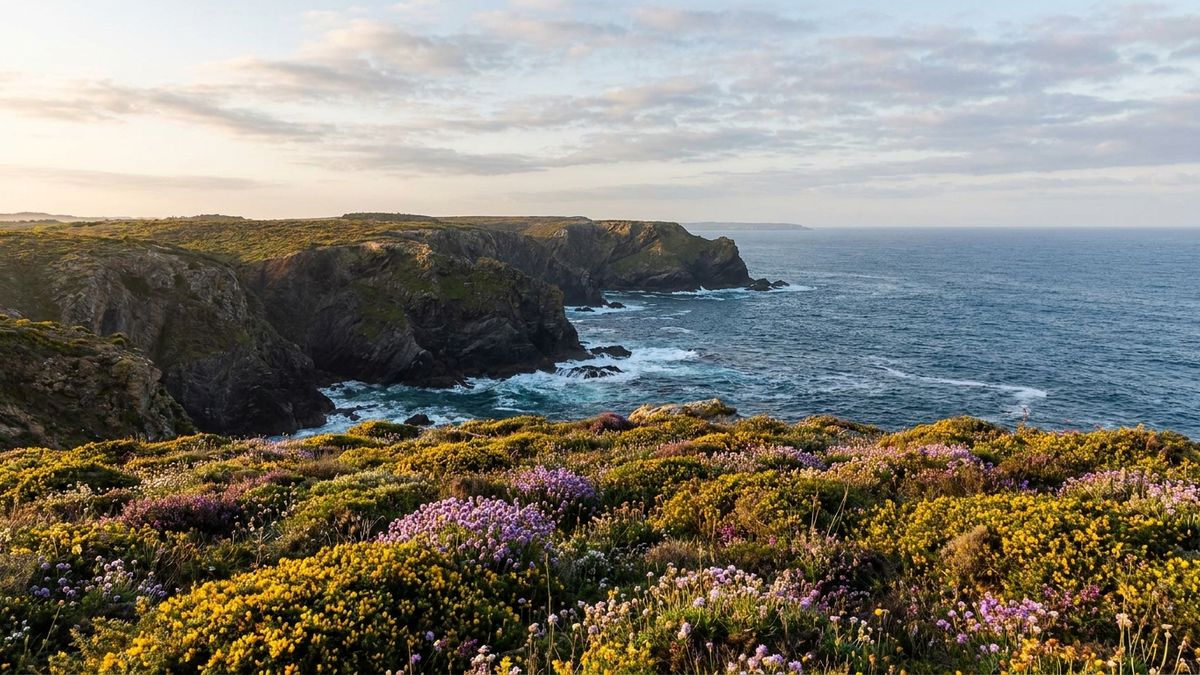
Spring is the show-off season. Wildflowers spill across the clifftops, the hills turn a vivid, almost impossible green, and the air smells of cistus, fennel and wild herbs. Autumn is the quieter twin, warm and golden, with sea temperatures still pleasant well into October after a whole summer of warming. Between them sit two very different summers and winters, each with its own strong character. Knowing which one suits you is really the heart of choosing when to come.
In practical terms, expect daytime highs around the low twenties Celsius in spring and autumn, high twenties in peak summer, and mild low to mid teens in winter. Nights are cooler year round, so an extra layer is always useful. Rain concentrates from November to February and rarely lingers for long. Fog can drift in on summer mornings then burn off by midday. The Atlantic here is bracing whatever the calendar says, warmest in late summer and coldest in late winter, so bring a wetsuit if you plan long swims outside July and August.
One more thing worth saying plainly: this is a protected natural park, not a built up resort coast. That means fewer big hotels, more small guesthouses and family homes, and a season that still follows nature rather than fighting it. Businesses busy themselves in summer and slow down in winter. Planning around that rhythm, rather than expecting a city timetable, is the secret to a relaxed trip and to finding the version of Costa Vicentina you will love most.
Season by season
Spring (March to May)
Spring is our favourite season, and it is hard to overstate how lovely it is. The landscape reaches its greenest, the wildflowers arrive in waves, and the light is soft, clear and endlessly photogenic. Temperatures climb from cool to comfortably warm, ideal for hiking without breaking a sweat or worrying about the heat. Crowds are still thin, prices stay gentle, and the whole coast feels wide open and alive with birdsong.
The sea is still cool through spring, warming slowly from March into May, so swimming is for the hardy or the wetsuited early on. That barely matters, because spring is really about the land. This is when the Trilho dos Pescadores and the Rota Vicentina are at their most rewarding, with cliff paths lined by flowers and stork nests perched on the sea stacks. If you love walking, photography and calm, spring is close to unbeatable.
Summer (June to September)
Summer is the classic beach season, warm and dry with long golden evenings that stretch past nine at night. June and early September are the sweet spots within it: full summer warmth and swimmable water without the peak crush. July and August bring the biggest crowds, the highest prices, and the strongest, most reliable Nortada wind. If you love sun, surf and a lively, sociable atmosphere along the coast, this is your window and it delivers beautifully.
Because we sit slightly inland among the olive groves, summer evenings at home stay calm and warm even when the exposed beaches are breezy. Days are for the sand and the sea, mornings often glassy and still, afternoons brightened by that cooling north wind. Book everything well ahead in high summer, from your room to your dinner tables, because this is when the whole region is at its busiest and most in demand.
Autumn (October to November)
Autumn is a quiet gift, and one many visitors overlook. October in particular is warm, golden and deeply peaceful, with sea temperatures still holding on to the summer warmth after months of sun. The tourist rush fades quickly after the first week of September, prices drop, and the surf begins to build as the first proper Atlantic swells roll in. It is a wonderful blend of summer comfort and low season calm.
By November the weather turns more changeable and the first real rains arrive, though bright, mild days still outnumber the grey ones. The coast stays green and dramatic, the light grows moody and cinematic, and the beaches empty out almost completely. This is perfect territory for slow, contemplative trips, long walks, big skies and cosy evenings. Surfers, in particular, start to get excited as the Atlantic wakes up for the winter season ahead.
Winter (December to February)
Winter here is mild and moody rather than cold, with plenty of bright, clear days between the rain showers. It is the wettest season, and some smaller restaurants and shops take a break, but the landscape turns lush and the beaches sit utterly empty. Daytime temperatures usually stay in the low to mid teens, comfortable for walking as long as you pack for showers. Nights are chilly, so a warm home to return to matters.
Surfers love the powerful, consistent winter swells, and photographers love the dramatic storm light. If you want genuine peace, the lowest prices of the year, long solitary walks and wild Atlantic skies, winter rewards you generously. Just travel with realistic expectations: check what is open, bring good waterproofs, and treat the occasional rainy day as an invitation to slow right down. Many of our most restful guests come precisely because the coast is so quiet.
Month by month
January. The quietest month of all. Mild days in the low to mid teens, cool nights, some rain, and green hills stretching in every direction. Beaches are empty and prices at their lowest, though some businesses stay closed for the season. The sea is cold, best left to wetsuited surfers who enjoy the powerful winter swells. This is a month for coastal walks, storm watching, wood fires and quiet. Pack a warm layer and good waterproofs, and enjoy having the whole coast almost entirely to yourself.
February. Similar to January but with the first genuine hints of spring. Almond and mimosa blossom appear on the hillsides, the days noticeably lengthen, and sunny spells grow more frequent between showers. It stays mild, changeable, very quiet and affordable. The sea remains cold and the surf stays strong. A lovely month for slow travel, reading by the fire, and long, sometimes muddy hikes on the Trilho dos Pescadores between the rain, with wide open trails and hardly another soul in sight.
March. Spring properly stirs. Wildflowers begin their display, the hills glow an intense green, and dry, sunny days become steadily more common. Temperatures are mild and pleasant for walking, cool in the mornings and comfortable by afternoon. Crowds remain light and prices stay reasonable, with only a small lift around any early Easter. The sea is still cold for swimming. This is one of the best months for hikers who want cool, comfortable conditions, dramatic empty scenery, and the first real flush of colour across the clifftops.
April. A gorgeous month, and one of our favourites for scenery. The wildflower display hits its peak, the weather turns warm and mostly dry, and everything feels fresh and full of life. Easter week can bring a short spike in visitors and prices, so book around it if you want calm. Outside that window it stays peaceful. The sea is warming but still brisk. Perfect for hiking, cycling, birdwatching and exploring beaches like Odeceixe and Amoreira long before the summer crowds arrive.
May. In our honest view, close to perfect. Warm, sunny days, flowering clifftops, and long light evenings, yet the coast stays quiet and well priced. The sea is warming and swimmable for the brave, though a wetsuit still helps for longer sessions. Beaches are calm, trails are glorious, and the Nortada is usually still gentle. This is ideal for hiking, beach days and everything in between. Book ahead, though, because plenty of savvy travellers have discovered just how special May feels here.
June. Full summer warmth arrives without the peak crowds of high season. Days are dry, sunny and reliably lovely, with the Nortada still relatively gentle in early June before it strengthens. The water is properly swimmable now and the beaches grow lively but not yet packed. Prices climb from spring levels but stay below the July and August peak. For our money, this is one of the very best all round months to visit, balancing warmth, energy and space beautifully, and it is a firm favourite of ours.
July. Peak season begins in earnest. Hot, dry days, long golden evenings, and the busiest beaches of the year. The Nortada wind strengthens noticeably, cooling the afternoons and delighting surfers and kitesurfers even as it kicks up sand on the most exposed shores. Prices rise and rooms fill fast across the region. Book well ahead for both accommodation and dinner. Expect a buzzy, sociable, holiday atmosphere along the whole coast, warm seas, and mornings that are often calm and glassy before the wind picks up.
August. The hottest, busiest and priciest month, made livelier still by the huge Festival Sudoeste crowds at Zambujeira do Mar in early August. The Nortada blows steadily, tempering the heat, while beaches fill and parking near the coast becomes a real challenge. The sea is at its warmest and most inviting. It is a fantastic month for a classic sun and surf holiday if you plan and book early. For genuine peace and quiet, though, look to the months just either side of it instead.
September. Arguably the finest month of the whole year. The summer heat gently eases, the crowds thin out noticeably after the first week, the sea sits at its warmest after a long summer, and prices begin to soften. Warm, sunny days, calmer winds as the Nortada fades, and beautiful golden light make it perfect for beach lovers and hikers alike. Swimming is glorious, the trails are quiet again, and the whole coast exhales. We recommend it to almost everyone who asks.
October. Warm, golden and gloriously peaceful. Sea temperatures stay pleasant well into the month after the summer warmth, the first surf swells arrive to excite the surfers, and prices drop noticeably from summer highs. Occasional rain appears later on, but sunny, mild days still dominate the calendar. The wildflowers are gone but the light is superb. This is one of our top picks for travellers who want warmth, quiet and real value all at once, ideal for hiking, swimming and slow, unhurried exploring.
November. Autumn deepens and the first proper rains settle in. Days are mild and changeable, the landscape turns lush and vividly green, and the coast feels wild, empty and elemental. The sea cools but surfers enjoy the strong, building swells rolling in from the Atlantic. Prices fall to low season levels and rooms are easy to find. A wonderful month for moody coastal walks, big dramatic skies, cosy evenings indoors, and the quiet satisfaction of having the beaches and trails almost entirely to yourself.
December. Mild, green and very quiet, with bright, cheerful spells between the rain showers. It brings the lowest prices and the emptiest beaches of the year. Some restaurants and businesses close for the season, so it pays to plan around what stays open. The sea is cold, best for wetsuited surfers chasing winter swell. Days are short but the light can be beautiful. This is lovely for a peaceful, restorative winter escape, long walks, dramatic Atlantic skies, and warm evenings by the fire back home.
The Nortada: the summer wind you should know about
If you visit in July or August, you will meet the Nortada. This is the steady north wind that blows down the coast through the heart of summer, and it genuinely shapes the local rhythm of the day. It is not a storm or a nuisance to dread. It is simply a reliable afternoon breeze that keeps our summers pleasant rather than punishing, cooling the coast while inland towns in the Alentejo and Algarve swelter under a heavy, still heat. Locals plan around it instinctively.
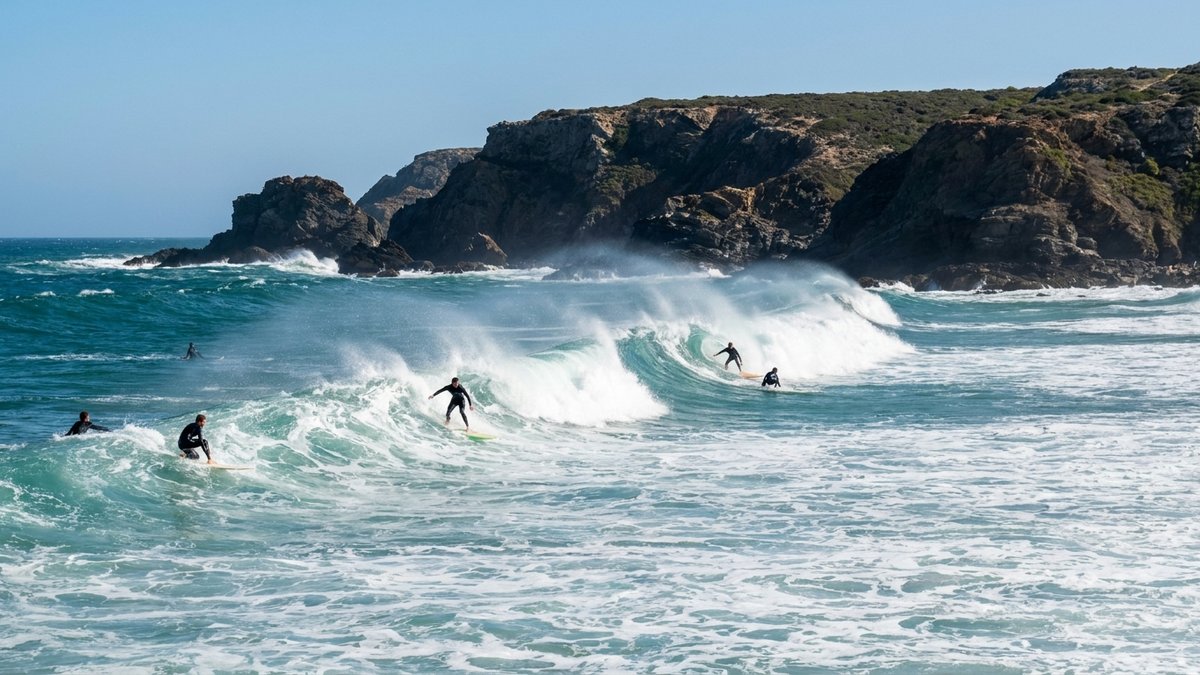
The Nortada is a real gift for anyone who spends time on the water. It grooms clean, well shaped waves for surfers and provides steady, dependable power for kitesurfers and windsurfers all summer long. The daily pattern is beautifully consistent: mornings are often calm and glassy, ideal for swimming and gentle surf, then the wind builds through the afternoon. If you plan your beach and water sessions around that rhythm, doing the still stuff early and the windy stuff later, you get the very best of both worlds.
The one thing to know is that on the most exposed beaches, the Nortada can feel strong by late afternoon, kicking up sand and making a windbreak or an early departure welcome. It rarely spoils a day, but it can shorten a sunbathing session. The good news for our guests is that our olive grove setting, tucked slightly inland above Odeceixe, sits sheltered from the worst of it. You can enjoy calm, warm evenings at home, dining outside in comfort, even when the open coast is breezy and bright.
Best time by traveller type
Hikers. Choose spring or autumn without hesitation. March to May and October to November bring cool, comfortable temperatures, green landscapes and quiet trails, exactly what long cliff walks demand. Summer is walkable early in the morning but can grow hot and busy by midday. The Trilho dos Pescadores passes just 2 km from us, and we are an official Rota Vicentina partner, so we are always glad to help you plan routes, stages and logistics. For a deeper dive, see our guide on where to stay on the Fishermen's Trail.
Beach lovers. Aim for June to September, when the sea is warmest and the days are long and dry. Early June and September are the golden windows, offering full warmth and swimmable water with noticeably fewer crowds than the July and August peak. Mornings are calmest before the Nortada builds, so time your longest sunbathing sessions accordingly. For inspiration on exactly where to swim, surf and unwind, read our roundup of the best beaches near Odeceixe, from wide Odeceixe itself to quieter coves nearby.
Surfers. Autumn and winter deliver the most consistent and powerful Atlantic swells, roughly October through March, with far fewer people in the water and a genuinely local feel. The trade off is colder water and changeable weather, so pack a good wetsuit. Summer still offers fun, wind groomed waves for all levels thanks to the Nortada, making June to August ideal for lessons, improvers and anyone learning. Beaches like Arrifana, Monte Clérigo and Amoreira each hold different conditions, so there is nearly always somewhere working.
Peace and low prices. Target May, June, late September and October. You get warm, settled weather, calm beaches, quiet trails and gentler rates all together, the true sweet spot of the Costa Vicentina year and the answer we give most often. If you do not mind some rain and a few closures, winter goes quieter and cheaper still, and can feel wonderfully restful. Avoid early August unless you specifically want the festival buzz, high energy and the peak season prices that come with it.
Local events
The biggest event on the calendar by far is Festival Sudoeste, a huge music festival held at Zambujeira do Mar in early August. It draws enormous crowds from across the country and beyond, so accommodation across the whole region fills up and prices climb well in advance, often months ahead. If you love festivals and a high energy atmosphere, it is genuinely unforgettable and a real cultural event. If you crave quiet and empty beaches, simply plan your trip for a different week and you will barely notice it.
The rest of the year is far gentler in spirit. Small towns like Odeceixe, Aljezur and Zambujeira do Mar host modest local festas through the summer, with food stalls, grilled sardines, folk music and a warm village atmosphere that spills into the streets. These are low key, welcoming and authentic, and a lovely way to feel the real rhythm of the Alentejo coast without the crowds or the ticket prices of the big festival. Everyone is welcome, and the mood is unfailingly friendly.
Aljezur also celebrates its famous sweet potato, the batata doce, with a popular autumn fair, and various villages mark saints days, harvests and religious processions throughout the year. Many happen in spring and summer, adding a little local colour to a quiet trip. Ask us when you arrive and we will happily point you toward whatever is happening nearby during your stay. In our experience, these small, unhurried gatherings are very often the memories our guests end up treasuring the most.
When to book and how to get here
Timing your booking matters almost as much as timing your trip. For the sweet spot months, May, June, September and October, rooms along this coast go quickly, so book early to secure the dates and the unit you want. July and August, and especially the week around Festival Sudoeste, sell out earliest of all and often months in advance. Spring and autumn shoulders reward planners with both availability and better value. Winter is the most relaxed for booking, though some places close, so it pays to confirm ahead.
We offer our three units set among the olive groves above Odeceixe: Casa T3 for up to 6 guests, the Loft for 4, and Casa T1 for 2, all with olive grove views and a shared pool arriving in phase 2. We open in July 2026. The setting is sheltered from the Nortada, quiet in every season, and superbly placed for the coast. Odeceixe beach is just 5 km away, with Carvalhal at 16 km and Monte Clérigo, Amoreira and Arrifana all within about 23 km, giving you a different beach for every mood.
Getting here is easy with our private Tesla transfer, a comfortable, door to door service so you can skip the rental car, the parking hassle and the winding country roads. It costs 150 EUR from Faro and 250 EUR from Lisbon, and we tailor pickup times to your flight. For anything else, from tide times and trail stages to which beach works best on a windy day, see our FAQ or simply get in touch. We genuinely love helping guests land in the right season and make the most of it.